Mangi Tungi Rishabh Dev Statue: A Marvel of Jain Architecture and Devotion
The Mangi Tungi Rishabh Dev statue stands as the tallest Jain idol in the world, carved from a single rock on the Mangi-Tungi hills in Maharashtra. It is not only a spectacular feat of architecture and engineering but also a sacred pilgrimage site for millions of Jains. Located in the Nashik district, this massive monument represents deep spiritual significance and attracts tourists, trekkers, and devotees alike.
The Significance of Mangi Tungi Hills
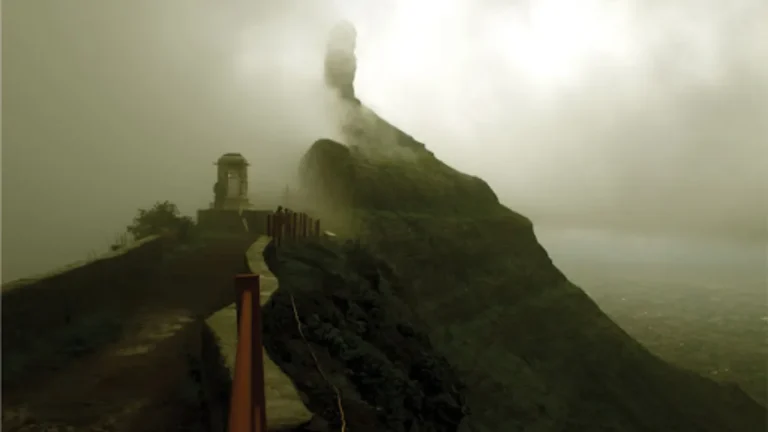
Mangi and Tungi are two distinct peaks, situated side-by-side in the Sahyadri Hills of western Maharashtra. Both peaks are considered extremely holy in Jainism. Over centuries, they have been home to numerous stone-carved idols of Jain Tirthankaras, temples, and meditation caves.
What makes this site exceptional is the recent addition of the world’s tallest Jain idol—dedicated to Lord Rishabh Dev, also known as Adinath, the first Tirthankara of Jainism. This colossal statue was unveiled in 2016 and has since become an international attraction.
The Mangi Tungi Rishabh Dev Statue: World Record Holder
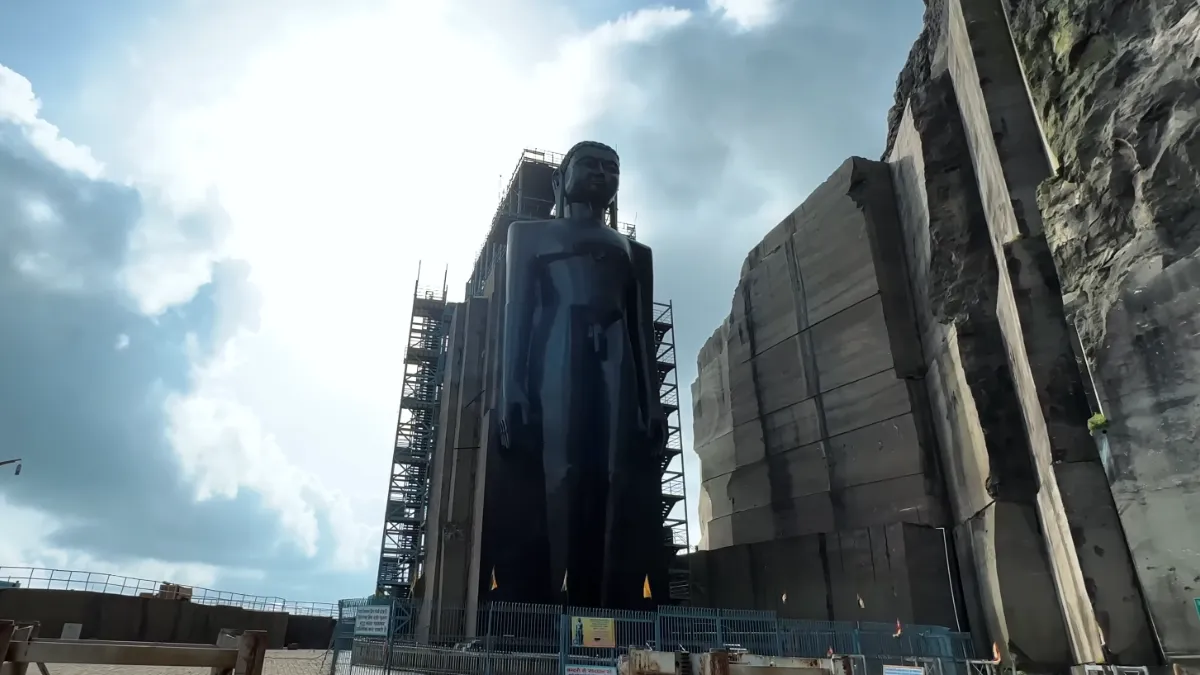
This enormous statue of Rishabh Dev stands at a height of 108 feet (33 meters), not including its pedestal, making it the tallest Jain idol on the planet. The construction took nearly 10 years and involved more than 400 skilled artisans.
The statue has been certified by the Guinness World Records as the tallest Jain idol in the world. Carved from the rocky side of Mangi hill, it depicts Rishabh Dev in a standing “Kayotsarga” posture—a meditative stance signifying renunciation and peace.
Read also : Height of Mangi Tungi: A Sacred Summit with Spiritual Significance
Why the Mangi Tungi Rishabh Dev Statue Is So Revered
The importance of the Mangi Tungi Rishabh Dev statue goes beyond its height. For the Jain community, it symbolizes spiritual liberation, purity, and the eternal values preached by Tirthankaras. Pilgrims visit the site to seek blessings, meditate, and connect with the serene vibrations of this ancient hill.
Additionally, the site hosts the annual Mahamastakabhishek festival, during which the statue is ceremonially bathed with milk, saffron, and holy water in a grand ritual that draws thousands of devotees from across India and the world.
Things to Know Before Visiting Mangi Tungi
Here are some key details for visitors planning to explore this awe-inspiring monument:
| Feature | Details |
|---|---|
| Statue Name | Rishabh Dev Statue (Adinath) |
| Location | Mangi Tungi Hills, Nashik District, Maharashtra |
| Height | 108 feet (without pedestal) |
| Constructed By | Shri Vardhaman Sthanakvasi Jain Shravak Sangh |
| Inauguration Year | 2016 |
| Posture of Statue | Kayotsarga (standing meditative posture) |
| Entry Fee | Free |
| Best Time to Visit | October to February (cool and pleasant weather) |
| Trek Difficulty | Moderate (with around 3,500 steps to climb) |
| Nearby Attractions | Jain caves, temples, Siddha Kshetra, and scenic viewpoints |
Read also : Nashik to Mangi Tungi Distance: Complete Route Guide & Travel Tips
Mangi Tungi Rishabh Dev Statue: A Subheading of Spiritual Tourism
As more people look for meaningful travel experiences, the Mangi Tungi Rishabh Dev statue has become a powerful symbol of spiritual tourism in India. Unlike ordinary sightseeing, a visit here offers deep reflection, physical challenge through trekking, and exposure to ancient Indian philosophies.
Maharashtra Tourism and Jain trusts have also ensured that the area remains clean, safe, and welcoming for both domestic and international travelers. The recent improvements in road infrastructure, availability of basic accommodations, and food stalls around the base of the hill have made the journey more accessible.
Final Thoughts
The Mangi Tungi Rishabh Dev statue is more than just a tall sculpture—it is a spiritual beacon carved into the very rock of India’s sacred hills. Whether you’re a devotee, a history lover, or a curious traveler, this iconic landmark offers a unique blend of peace, perseverance, and purpose.
If you’re planning a visit to Maharashtra, make sure to include Mangi Tungi on your itinerary. It’s not just a monument—it’s a life-changing experience.